
Designing Spaces That Feel Like Home
- Published on: September 29, 2026
- Written by: Alexandra de Garidel
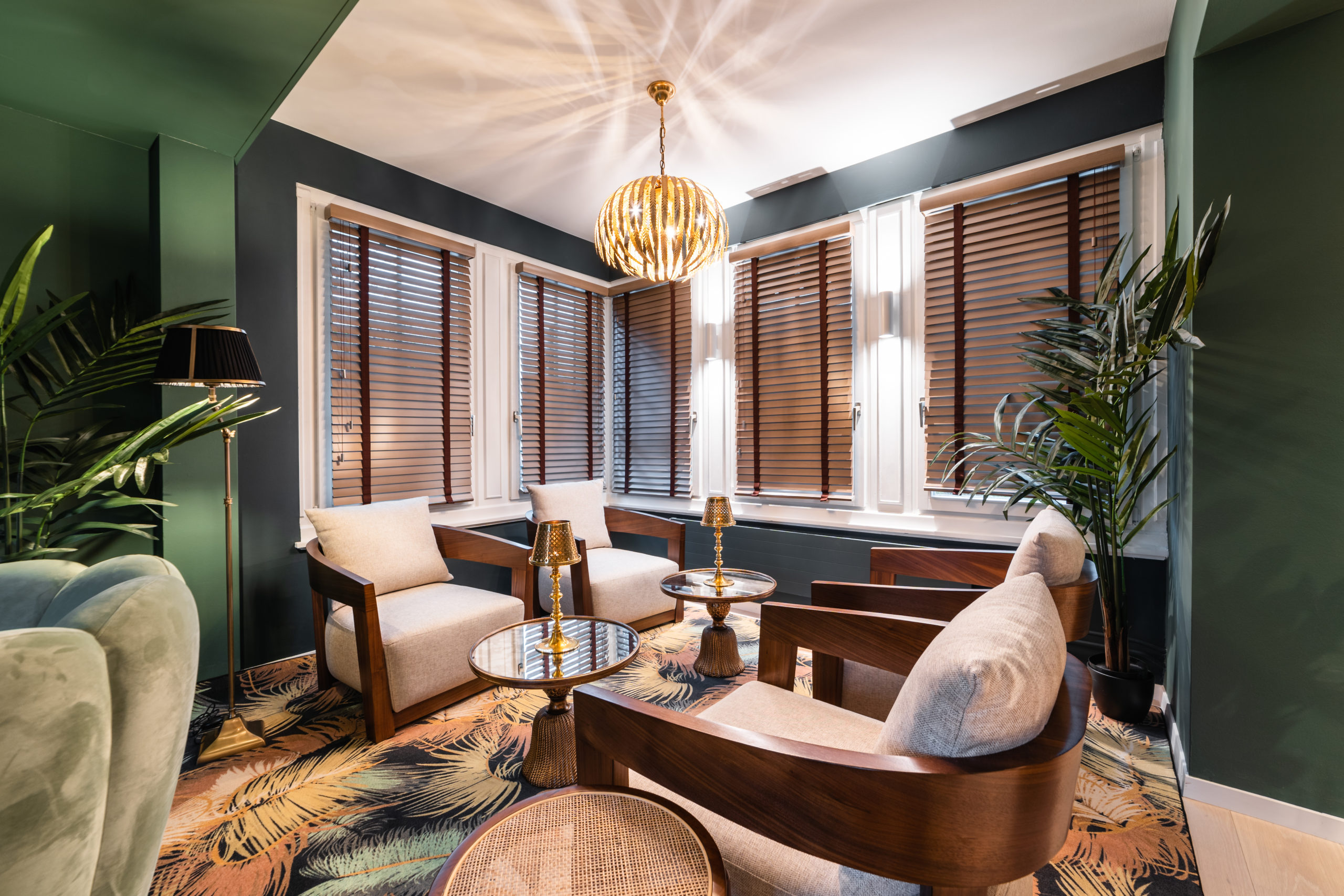
Luxury interior design is often associated with beautiful materials, exceptional furniture and carefully selected works of art. But for me, the essence of a successful interior goes deeper.
A beautiful room is not necessarily a beautiful place to live.
The spaces that stay with us are the ones that create a feeling. They make us slow down. They make us feel comfortable, inspired, protected or simply at ease. They have an atmosphere that cannot always be explained by a list of furniture or materials.
Beyond decoration
I have always considered interior design to be much more than decoration. A project begins with understanding how a space should be experienced.
Who will live there? How will they move through the rooms? Where will they gather? Where will they retreat? What should they see when they wake up, when they arrive home, or when they sit down at the end of the day?
These questions are often more important than choosing a particular sofa or colour.
For me, every project has its own vocabulary. Proportion, texture, light, colour, architecture, furniture and art all have to communicate with one another. When these elements are balanced, the result feels natural.
The importance of light
Light is one of the most powerful materials in an interior.
It changes throughout the day, transforms colours and textures, and gives architecture a sense of rhythm. A room that looks completely different in the morning and evening can feel almost alive.
This is why I think about light from the beginning of a project rather than treating it as a final decorative decision.
Natural light, architectural openings, reflections and artificial lighting all contribute to the emotional quality of a space.
Art should belong to the story
Art is also an essential part of the way I approach interiors.
I do not see art as something that is simply placed on a wall once everything else has been decided. It can influence the atmosphere of an entire room.
A sculpture can change the way we move through a space. A painting can introduce tension or calm. An unexpected object can bring humour, memory or personality.
The objective is not to create a showroom. It is to create a place with character.
Creating something personal
Some of the most interesting interiors are not the ones that follow a particular trend. They are the ones that reflect the people who inhabit them.
A home should be able to evolve. It should contain memories, discoveries and objects that acquire meaning over time.
This is also why I believe good design should have a sense of permanence.
Trends change quickly. A well-considered space can remain relevant because its identity does not depend on following fashion.
Designing for emotion
Ultimately, interior architecture is about people.
Materials matter. Craftsmanship matters. Architecture matters. But all of these elements serve a larger purpose: creating an environment in which people can live, work, gather and dream.
The most rewarding moment in a project is not when a room looks finished.
It is when someone walks into it and feels that it belongs to them.
That is when design becomes home.
Featured Articles
Klein Constantia: A New Chapter for a Historic House
October 19, 2026
The Bear: Reimagining a Mountain Home
October 19, 2026