
From Finance to Interior Architecture: The Value of Precision in Creativity
- Published on: September 29, 2026
- Written by: Alexandra de Garidel
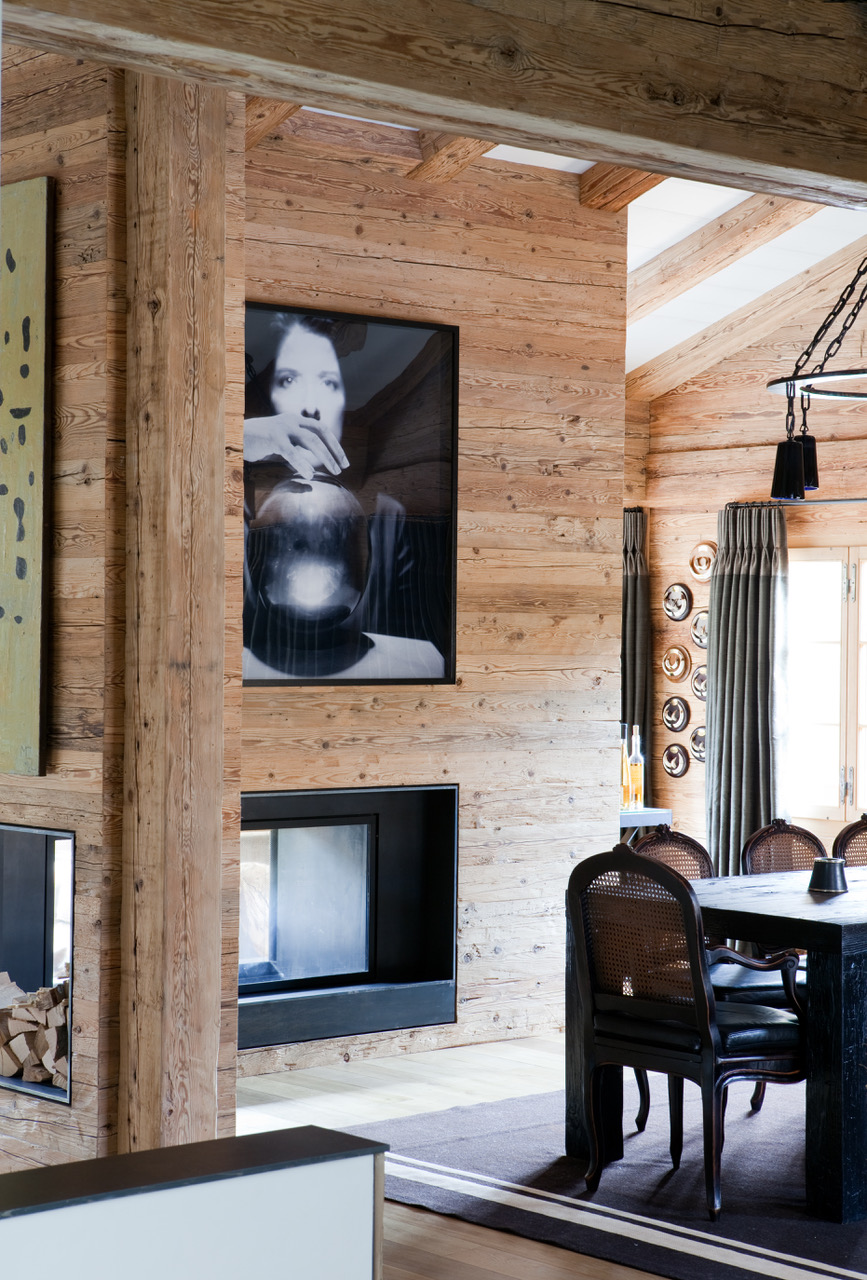
My career did not begin in interior design.
Before dedicating myself to interiors, I worked in finance. At first glance, finance and design may appear to belong to completely different worlds. One is associated with numbers, analysis and discipline. The other is associated with creativity, intuition and emotion.
In reality, I have found that the two disciplines have much more in common than people might imagine.
Creativity needs structure
A creative idea is only the beginning.
The real challenge is transforming an idea into something tangible, coherent and lasting. That requires planning, discipline and attention to detail.
Every interior project involves countless decisions. Budgets need to be respected. Timelines need to be managed. Suppliers, artisans, architects and contractors need to work together. Materials need to arrive at the right moment. Details need to be resolved before they become problems.
Creativity does not disappear because of these constraints.
It becomes more precise.
Learning to make decisions
My experience in finance taught me the importance of analysis and decision-making.
There is always information to consider, but eventually a decision has to be made.
Interior architecture is similar.
There can be hundreds of possible materials, colours, furniture pieces and layouts. The role of the designer is not simply to select beautiful things. It is to understand which choices serve the project and which do not.
Sometimes the most important decision is knowing what to leave out.
The balance between emotion and discipline
A successful interior needs both emotion and discipline.
Emotion gives a project its soul. Discipline allows that vision to become reality.
This balance is particularly important when working on complex projects. A concept may change because of the architecture, the budget, technical requirements or the availability of a particular material.
The designer has to adapt without losing the original intention.
For me, this is one of the most interesting parts of the profession.
The project evolves, but its underlying story remains.
Collaboration is part of the creative process
No significant interior project is created alone.
Architects, lighting designers, artists, craftsmen, manufacturers, contractors and clients all contribute to the final result.
The quality of that collaboration matters enormously.
I value partners who understand that execution is not separate from creativity. Craftsmanship, precision and sensitivity are essential to translating an idea into a finished space.
The details that nobody notices consciously are often the details that make a room feel right.
Designing with intention
Over the years, I have become increasingly interested in the difference between decoration and intention.
Decoration can make a room attractive.
Intention gives it meaning.
When every decision has a reason, a space becomes more coherent. Materials relate to one another. Light supports the architecture. Furniture creates a rhythm. Art becomes part of the narrative.
The result can feel effortless, even though an enormous amount of thought has gone into it.
Creativity is not the absence of discipline
My journey from finance to interior architecture taught me something that continues to influence the way I work today.
Creativity does not require the absence of structure.
Quite the opposite.
The right structure can give creativity the freedom to become something real.
For me, the most rewarding projects are those where imagination and precision meet. A strong idea is important, but its execution is what ultimately gives it life.
Featured Articles
Klein Constantia: A New Chapter for a Historic House
October 19, 2026
The Bear: Reimagining a Mountain Home
October 19, 2026